

There are strange little moments when time behaves like a folded piece of paper. You glance at the clock, wonder where yesterday wandered off to, and suddenly ask yourself, “what time was it 22 hours ago?”
It sounds like a tiny question, almost too small to matter, yet it sneaks into everyday life more often than people realize.
Maybe you’re reviewing a work log, checking a server event, verifying a medical record, tracking a delivery, or simply trying to remember when you actually sent that message you could’ve sworn happened “just this morning.”
If the Current time is 2:38 AM (GMT-7) on Thursday, July 9, 2026, then What Time Was It 22 Hours Ago? The answer is 4:38 AM on Wednesday, July 8, 2026.
Funny how removing just twenty-two hours doesn’t simply rewind a clock .it quietly carries you into the Previous day, where the air, the sunlight, and maybe even your mood were slightly different. Time does that. It shifts without asking permission.
This guide explores Past time calculation, explains the math behind Time subtraction, shows practical examples, and answers common questions people ask when figuring out 22 hours ago or other similar time offsets.
| Current Time | Subtract | Time 22 Hours Ago | Date | Day |
|---|---|---|---|---|
| 2:38 AM | 22 hours | 4:38 AM | July 8, 2026 | Wednesday |
Quick Time Conversion
| Measurement | Equivalent |
|---|---|
| 22 Hours | 1,320 Minutes |
| 22 Hours | 79,200 Seconds |
| 22 Hours | 79,200,000 Milliseconds |
Calculation Summary
| Item | Value |
|---|---|
| Main Keyword | What Time Was It 22 Hours Ago |
| Current Time | 2:38 AM |
| Result | 4:38 AM |
| Time Difference | 22 Hours Earlier |
| Previous Day | Wednesday |
| Date | July 8, 2026 |
| Time Zone | GMT-7 |
| Calculation Method | Time Subtraction |
What Time Was It 22 Hours Ago?
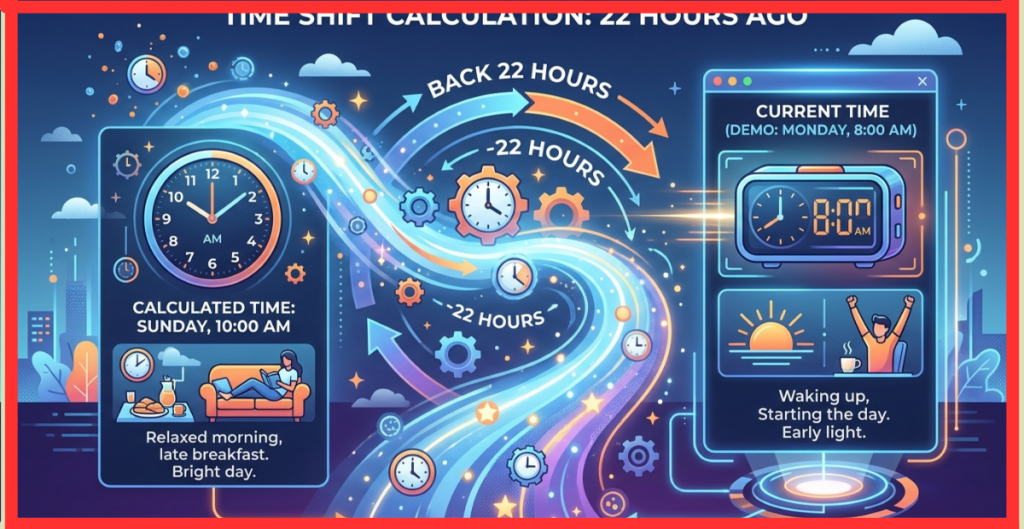
The direct answer is simple.
If your Current time is:
- 2:38 AM
- Thursday, July 9, 2026
- GMT-7
Then 22 hours ago was:
- 4:38 AM
- Wednesday
- July 8, 2026
This means the clock moved backward exactly 22 hours, crossing into the Previous day while keeping the minutes unchanged.
Here’s another way to view it:
| Current Time | Subtract | Result |
|---|---|---|
| 2:38 AM | 22 Hours | 4:38 AM, Wednesday, July 8, 2026 |
That little jump across midnight is what often confuses people. They expect yesterday’s hour to match today’s, but crossing midnight changes both the Time and date.
Understanding How 22 Hours Ago Is Calculated
A proper Date calculation isn’t difficult once you understand what happens.
Imagine your clock showing 2:38 AM.
Subtract:
- 2 hours → 12:38 AM
- Another 20 hours → 4:38 AM on the day before.
Simple, right? Well… kinda. Many people accidentally subtract hours without moving the calendar backward. That’s where mistakes appear, specially when calculations cross midnight.
The process involves:
- Reading the Clock time
- Performing Time subtraction
- Adjusting the calendar if midnight is crossed
- Confirming the correct Time zone
That’s really all an Hours ago calculator does behind the scenes.
Why the Date Changes During Time Subtraction
This part trips people up more than they expect.
A clock isn’t floating alone it belongs to a calendar.Subtracting twenty-two hours from early Morning almost always lands on the Previous day.
For example:
- Thursday 2:38 AM
- Minus 22 hours
- Wednesday 4:38 AM
Notice how the minutes stay exactly the same.Only the hour and date shift.
That’s why every good Time calculator performs both Time subtraction and Date calculation together instead of treating them separately.
Converting 22 Hours into Smaller Time Units
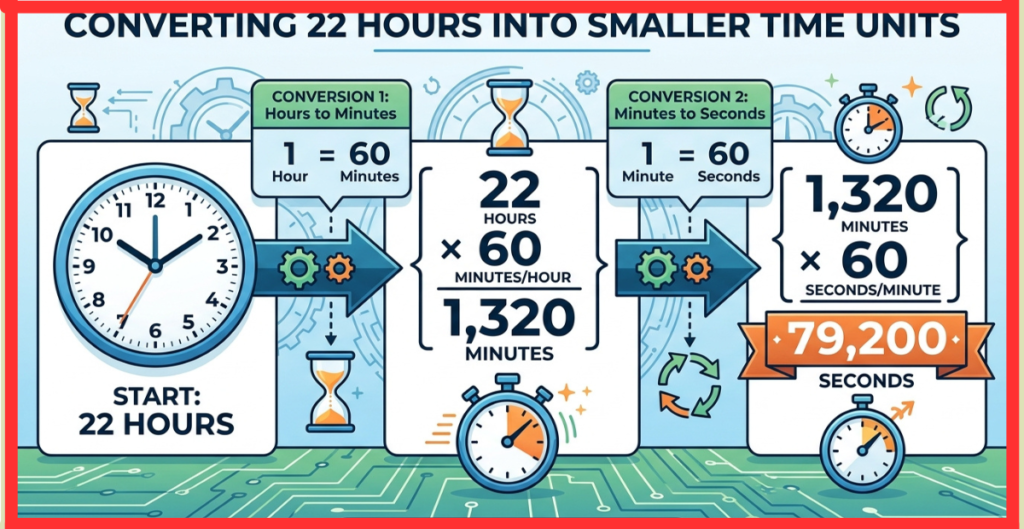
Sometimes people don’t want hours they need total elapsed units.
Twenty-two hours equals:
| Unit | Value |
|---|---|
| Hours | 22 |
| Minutes | 1,320 minutes ago |
| Seconds | 79,200 seconds ago |
| Milliseconds | 79,200,000 milliseconds ago |
Knowing these conversions helps when working with:
- software logs
- scientific measurements
- coding timestamps
- analytics reports
- event tracking
A surprisingly tiny typo in Milliseconds can throw an entire calculation off by thousands of events. It happens more often than folks admit.
What Time Was It 22 Hours Ago in Different Time Zones?
The answer depends on your Time zone.
If you’re using GMT-7, then the example becomes:
- Current: 2:38 AM
- Result: 4:38 AM
- Date: Wednesday, July 8, 2026
But another region might display a completely different local time while still representing the exact same moment.
That’s why professional scheduling systems always include:
- UTC
- local zone
- daylight saving adjustments
- timestamp records
Ignoring the Time zone is one of the quickest ways to create confusing meeting schedules.
Using an Hours Ago Calculator
A reliable Hours ago calculator removes all the guesswork.
Instead of counting backward manually, it instantly performs:
- Time arithmetic
- Clock time calculation
- Date offset calculator functions
- Elapsed time calculator
- Time duration calculator
Most tools simply ask for:
- current date
- current time
- number of hours
Then they return the exact Previous time.
This is especially useful when calculations involve unusual numbers like 17, 22, 37, or 53 hours.
Why People Search “What Time Was It 22 Hours Ago”
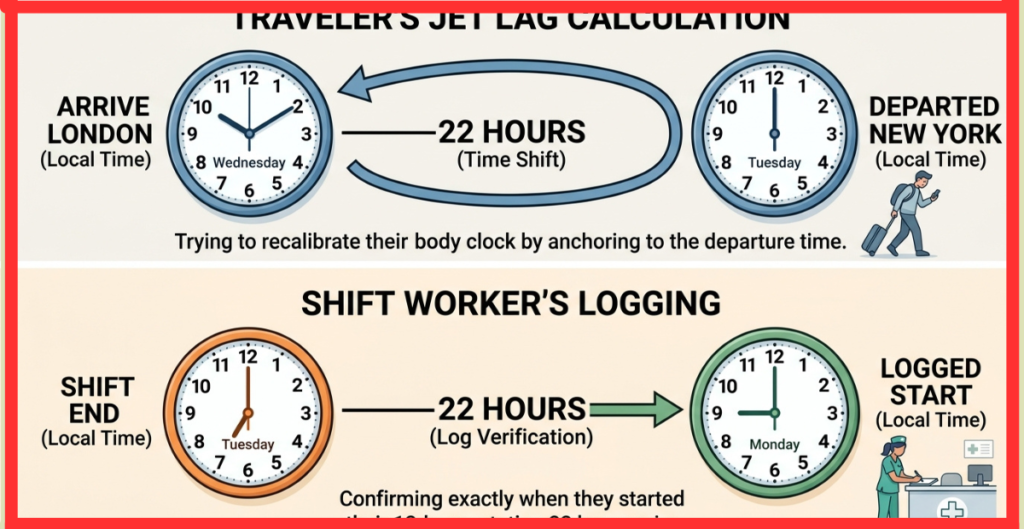
People rarely wake up thinking about twenty-two hours specifically.
Usually there’s a reason.
Common situations include:
- reviewing CCTV footage
- checking transaction history
- verifying attendance
- comparing weather reports
- analyzing server logs
- remembering conversations
- tracking medication schedules
- calculating delivery timestamps
Sometimes somebody simply remembers something happened “yesterday morning-ish,” and suddenly the brain demands precision.
Odd little thing, memory.
Manual Time Subtraction Example
Let’s solve it manually.
Current:
- Thursday
- 2:38 AM
Subtract 22 hours.
Step one:
Move backward 2 hours.
Result:
12:38 AM Thursday.
Step two:
Subtract another 20 hours.
Result:
4:38 AM Wednesday.
Nothing mysterious happened.The calendar simply rolled back one day.This is classic calculate past time math.
Common Mistakes During Past Time Calculation
People often make the same errors.
Some of the most common include:
- forgetting midnight changes the date
- ignoring daylight saving adjustments
- using the wrong Time zone
- subtracting from PM instead of AM
- changing minutes unnecessarily
- forgetting leap-year differences when larger offsets are involved
A small oversight can shift results by an entire day, which isn’t exactly ideal if you’re dealing with official records.
Time Arithmetic Made Easy
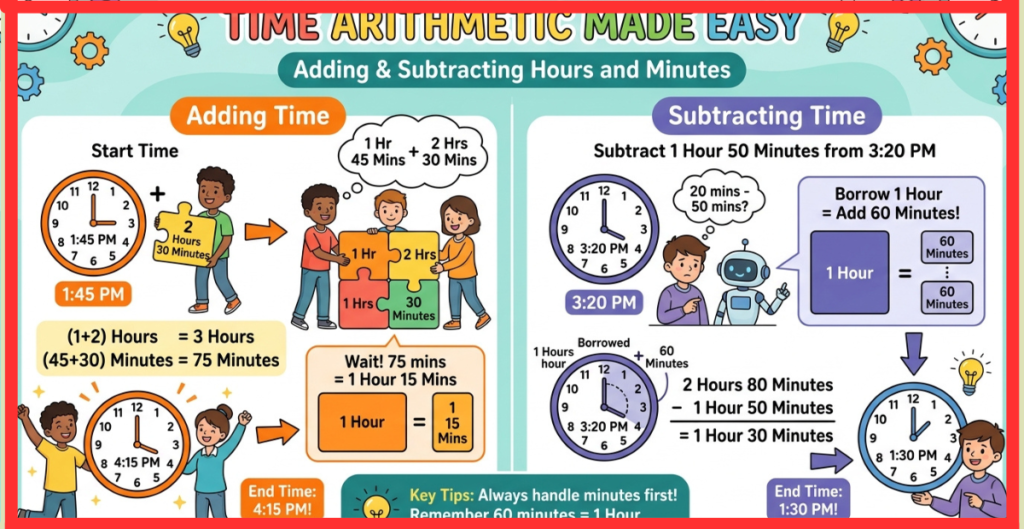
Think of time arithmetic exactly like ordinary subtraction.
Example:
Current:
2:38 AM
Subtract:
22 hours
Answer:
4:38 AM yesterday.
Now imagine subtracting different values.
| Hours | Result |
|---|---|
| 1 | 1:38 AM |
| 5 | 9:38 PM previous day |
| 12 | 2:38 PM previous day |
| 22 | 4:38 AM previous day |
| 24 | Same time previous day |
Once you understand crossing midnight, almost every calculate elapsed hours problem becomes easier.
Comparing Other Popular Time Calculations
People searching for what time was it 22 hours ago often continue with similar questions.
These include:
- what time was it 23 hours ago
- what time was it 24 hours ago
- what time was it 36 hours ago
- what time was it 48 hours ago
- what time was it 60 hours ago
Likewise, many people also ask:
- what time is 23 hours from now
- what time is 24 hours from now
- what time is 36 hours from now
- what time is 48 hours from now
- what time is 60 hours from now
These all use the same underlying Time difference principles.Only the direction changes.Past calculations subtract.Future calculations add.
Online Tools That Calculate Time Instantly
Today’s online time calculator platforms can perform:
- current time calculator
- hours ago calculator
- hours from now calculator
- time subtraction calculator
- time difference calculator
- date and time calculator
- time offset calculator
- hours and minutes calculator
- time conversion tool
Most of them complete calculations in less than a second.Which honestly feels slower than your brain expects somehow.
Who Are Joe Sexton and Pateakia Heath, PhD?

Many readers encounter the names Joe Sexton and Pateakia Heath, PhD while researching online time calculations.
Joe Sexton has contributed educational material explaining practical mathematical calculations and conversion tools in a clear, approachable style.
Meanwhile, Pateakia Heath, PhD, has reviewed educational content to help ensure clarity and accuracy for readers seeking dependable information.
While their names often appear alongside Time calculator resources, the underlying mathematics remains universal regardless of the source.
Morning, Afternoon, and Evening Calculations
People often think differently depending on the part of the day.A subtraction performed during the Morning frequently lands late the previous night.An Afternoon calculation may remain on the same calendar day.
An Evening calculation might stretch into the previous morning.Because of this, visualizing the clock first often makes calculations feel much more natural.It’s weird, but our brains seem happier when they can “see” the clock moving.
Practical Uses for Exact Time Calculations
Exact Time conversion matters in more places than people realize.
Professionals regularly perform these calculations in:
- aviation
- hospitals
- emergency response
- banking
- cybersecurity
- transportation
- logistics
- manufacturing
- software development
Even gamers and streamers occasionally calculate Elapsed time to review recordings or tournament schedules.Time quietly sits underneath almost everything.
Frequently Asked Questions
What time was 22 hours ago?
If the Current time is 2:38 AM on Thursday, July 9, 2026 (GMT-7), then time 22 hours ago was 4:38 AM on Wednesday, July 8, 2026.
What is 22 hours before now?
It simply means subtracting twenty-two hours from the present moment using Time subtraction.
Is twenty-two hours the same as one day?
No.
A full day equals 24 hours.
Twenty-two hours is two hours shorter.
Can I calculate 22 hours ago manually?
Absolutely.
Subtract twenty-two hours while adjusting the calendar whenever midnight is crossed.
Why does the date sometimes change?
Because subtracting enough hours moves into the Previous day, changing both the Time and date.
Can an online calculator calculate future times too?
Yes.
Most hours from now calculator tools also handle Future time calculations.
Does daylight saving affect results?
Yes.
Always confirm your Time zone, especially if daylight saving changes occur near your calculation.
read this blog https://hynoval.com/things-that-are-8-inches-longs/
Final Thoughts
At first glance, asking “what time was it 22 hours ago” feels almost too ordinary to deserve much attention. Yet behind that tiny question sits a surprisingly elegant bit of everyday mathematics.
A few simple steps in Clock time calculation, careful awareness of the Time zone, and a proper Date calculation reveal the exact answer without confusion.
If your Current time is 2:38 AM (GMT-7) on Thursday, July 9, 2026, then Twenty-two hours ago was 4:38 AM on Wednesday, July 8, 2026.
That equals 1,320 minutes ago, 79,200 seconds ago, or 79,200,000 milliseconds ago. Whether you’re checking logs, verifying records, solving scheduling puzzles, or simply satisfying your curiosity, understanding calculate past time makes future calculations feel almost effortless.
The next time a clock quietly asks you to travel backward through the hours, you’ll know exactly how to answer.