

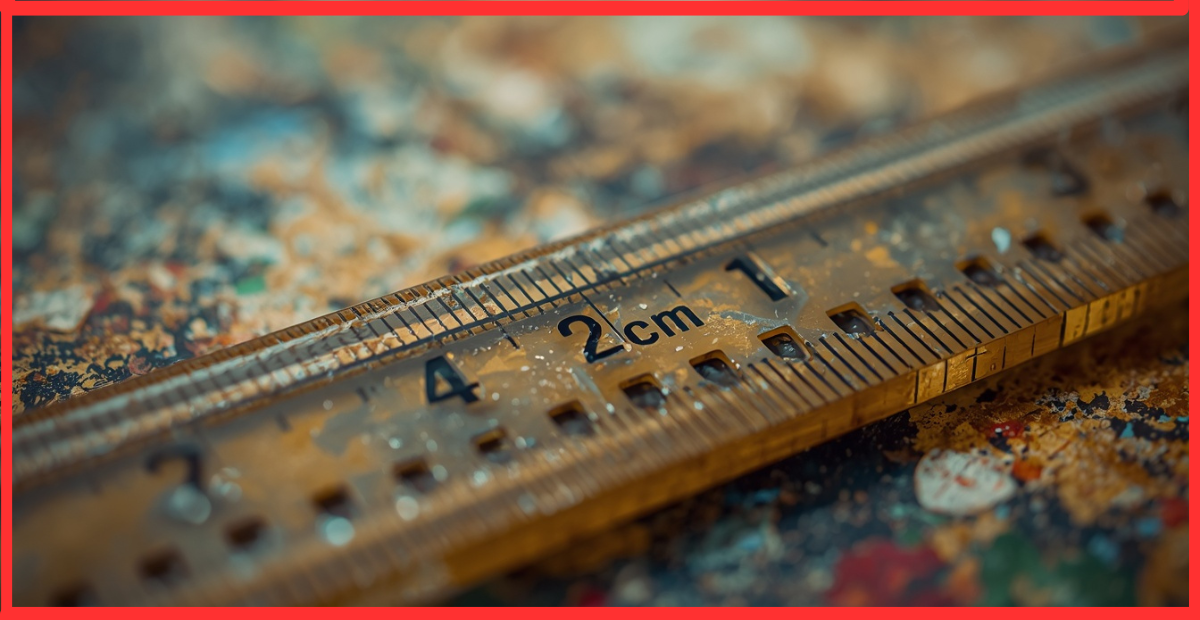
There are moments in everyday life when numbers stop behaving like numbers, and start acting like tiny stories hiding in plain sight. 2 centimeters (2 cm) is one of those strange little measurements that refuses to stay abstract once you start noticing it.
It’s part of the metric system understanding, yet it often slips past people like dust on a sunny window. You think you know it, until you actually try to see it.
Somewhere between visual estimation of size and spatial reasoning for size, your brain begins doing this funny thing called embodied cognition (body-based measurement),
where a length suddenly becomes a memory of something you’ve held, pinched, clicked, or even chewed on.
And honestly, it feels a bit chaotic how many everyday objects quietly sit at that 2 cm threshold, pretending they’re not part of a larger pattern.
I once heard a parent say, “My child doesn’t understand centimeters, but he understands crumbs, buttons, and tiny lost screws.” That stuck with me more than it should’ve.
Because that’s exactly how humans work with small-scale measurement we anchor it to life, not rulers.
So let’s wander through 14 everyday things that quietly reveal how big is 2 cm, not in a textbook way, but in a slightly imperfect, lived-in, almost messy human way.
| Situation | “2 cm” Meaning | Why it feels oddly personal |
|---|---|---|
| Physics lab | Measurement error margin | Suddenly your whole experiment depends on it |
| Sewing project | Fabric misalignment | Your “perfect fit” becomes questionable |
| DIY home repair | Gap between parts | You swear it looked fine yesterday |
| Phone screen protector | Slight misplacement | You notice it every time you unlock your phone |
| Geometry class | Line segment difference | It’s “just 2 cm” until it affects the final answer |
| Gym progress tracking | Body measurement change | Feels either like victory or betrayal |
| Engineering drawing | Tolerance range | Two centimeters can decide if it fits… or doesn’t |
how big is 2 cm in everyday stationery and office supplies
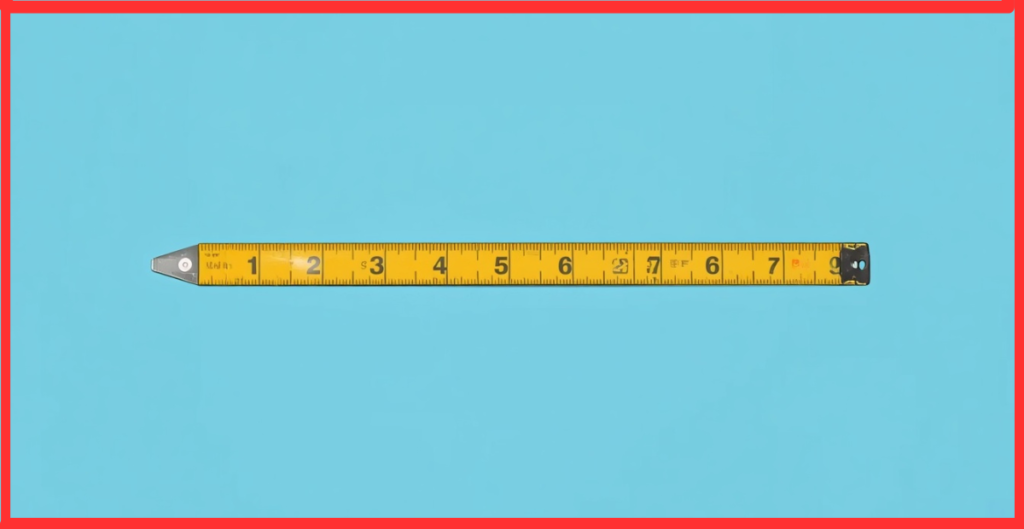
Stationery is basically a secret laboratory for length estimation tricks, where rulers are optional and memory does the heavy lifting. If you’ve ever worked in stationery and office supplies, you’ve already been doing micro-physics without noticing.
- A paperclip (inspired historically by Samuel B. Fay) often hovers around the 2 cm vibe when slightly bent, like it’s unsure of its own identity.
- A small staple sits tightly around that same 2 cm to mm (20 millimeters) range, holding pages together like it’s performing a tiny act of responsibility.
- The rounded top of a pencil eraser, a concept tied loosely to Joseph Priestley’s early rubber erasing ideas, can visually match 2 cm in diameter when freshly unused and still innocent.
- A pen cap, especially older ballpoint styles influenced by László Bíró, often lands close to this length, like it was designed by someone who trusted human fingertips a little too much.
- A compact paper hole reinforcer looks like a miniature moon crater, and its diameter is shockingly close to 2 cm in many brands.
- The width of a small USB flash drive, especially older models developed under tech ecosystems involving IBM and storage pioneers like M-Systems, can sit right in that 2 cm visual bracket.
There’s something oddly comforting about how these objects repeat the same scale, like they didn’t coordinate but still agreed. tiny note here your mind starts building a mental ruler method without asking permission. It just happens.
how big is 2 cm when seen through human body and perception
This is where things get weirdly philosophical, because the human body is the original measuring device before tools even existed. It’s also the reason visualizing centimeters becomes second nature.
- The width of a thumb/nail width measurement often brushes near 2 cm in many adults, acting like a built-in ruler you carry around without thinking.
- A small domino piece, depending on design, can approximate that same length, especially when you’re not trying too hard to be precise.
- A few stacked rice grains might not reach it individually, but collectively they help your brain understand micro-scale accumulation in a strange poetic way.
- The diameter of a slim cigar (diameter reference) sometimes visually mimics 2 cm, though it feels oddly exaggerated when you actually measure it.
- The spacing between certain laptop keyboard key spacing clusters can give a misleading sense of 2 cm gaps when your eyes are tired and your coffee is not working anymore.
Here’s where size perception plays tricks. Your brain starts doing cognitive mapping of size, and suddenly everything becomes “about two centimeters-ish” even when it clearly isn’t.
A slightly messy but real observation: people are terrible at estimating small lengths without anchors. That’s just how everyday heuristics behave they guess first, correct later, forget both.
how big is 2 cm in sewing, fashion and crafting worlds
In sewing and tailoring, 2 cm is not small. It’s precise. It’s the difference between “fits perfectly” and “why is this sleeve angry at me?”
- A classic shirt button often sits close to 2 cm in diameter, quietly controlling entire fashion decisions.
- A heavier coat button may slightly exceed it, but many minimalist designs hover right around that measurement like it’s a sweet spot.
- A sewing needle itself doesn’t match 2 cm in length, but its eye and thickness often force designers into thinking at that scale.
- A standard matchstick, historically linked to improvements by Gustaf Erik Pasch, brings a linear reference that helps people understand 2 cm as something burnable and fragile.
- A guitar pick often sits near that size range, especially medium picks used in casual strumming sessions that never quite go according to plan.
In fashion and clothing design, 2 cm is what professionals call “visible but forgiving.” Not too much, not too little, just enough to ruin symmetry if ignored.
A tailor once said in a workshop, “Two centimeters is where confidence meets correction.” It sounds dramatic, but honestly, it’s true in practice.And yes, crafting size estimation depends heavily on this tiny unit. You stop seeing numbers and start seeing relationships between objects.
how big is 2 cm in technology, tools, and tiny engineered things
Technology is full of objects pretending to be bigger than they are. But once you break them down into dimensional comparison, 2 cm starts showing up like a recurring glitch.
- A compact USB flash drive, especially early consumer models under ecosystems involving IBM and M-Systems, often matches this size surprisingly well.
- The thickness of certain modular tech accessories fits into the approximate measurement tools category where your fingers become the ruler again.
- Some small connectors or adapter heads used in technology accessories feel like they were designed around a hidden 2 cm template.
- Even the edge thickness of a pen cap or click mechanism can visually re-anchor your perception of 2 cm in tech design.
What’s interesting here is visual reference anchoring once you see a USB drive or button-sized component, your brain starts rewriting its internal scale database.You stop thinking “2 cm is small” and start thinking “oh, that’s like that thing I always lose in my drawer.
how big is 2 cm in cooking, food, and household reality
Food makes everything more relatable because nobody argues with something edible. In cooking and food preparation, 2 cm appears more often than people admit.
- A small cube of chopped vegetable often lands around 2 cm in width when recipes casually say “medium dice” and hope for the best.
- A cluster of rice grains can help visualize micro-length accumulation in a very tactile way.
- The diameter of a U.S. nickel (5-cent coin), issued under oversight of institutions like the U.S. Mint, is very close to 2 cm and acts as a brilliant real-world reference.
- Some small kitchen tools or lids in home improvement measuring tips contexts also fall into this range when you’re not using proper instruments.
Cooking teaches something subtle: precision is emotional. Too exact and you lose flexibility, too loose and everything becomes soup of uncertainty.
how big is 2 cm in everyday comparison and visual thinking
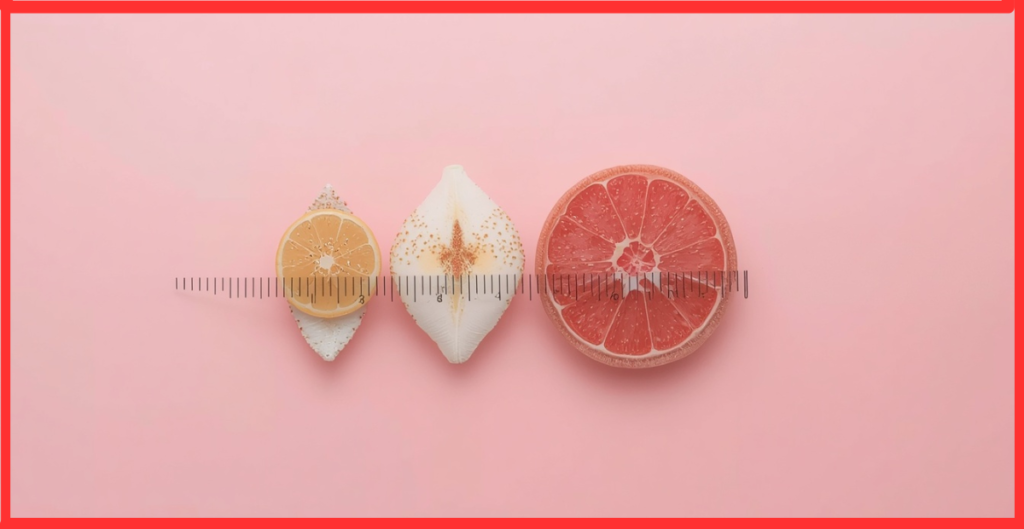
Now we drift into pure perception, where visualizing centimeters becomes almost psychological.
- A paperclip beside a coin suddenly becomes a lesson in cross-domain analogies.
- A domino piece stacked mentally against a USB drive creates a strange scale illusion.
- The width of a thumb/nail width measurement becomes your fallback answer to everything uncertain.
- Even rice grains collectively act like pixels in a low-resolution memory of space.
This is where mental mapping of length starts collapsing into intuition. You don’t calculate anymore you just feel it.And honestly, humans are better at this than we admit.
Frequently Asked Question what does 2cm look like
2 cm is a very small length, roughly the width of a fingernail or a small paperclip’s short side.
2 cm visual
It is about the size of a small button or the thickness of two stacked coins.
what does 2 centimeters look like
2 centimeters is just a short line, similar to the width of a USB port or a large pea.
what does 2 cm look like
It is a tiny measurement, about 1/5 of a ruler’s 10 cm section.
how long is 2 centimeters
2 cm equals 20 millimeters, which is less than an inch (about 0.8 inches).
Read this blog : https://yordzenral.com/chip-bag-sizes-chart/
Conclusion: when 2 cm stops being a number and becomes memory
At the end of all this, how big is 2 cm is not really a question about measurement. It’s a question about recognition. About how the brain quietly builds bridges between objects, memories, and touch.
Whether it’s a paperclip, a shirt button, a U.S. nickel, or a USB flash drive, each object becomes a tiny anchor point in your personal map of the world. That’s the beauty of everyday life geometry references they don’t teach you once and leave. They keep returning in different disguises.
If you ever want to make this more personal, try building your own “2 cm memory set.” Pick three objects you touch daily and test your guesses.
No pressure, no perfection, just observation. That’s basically how educational learning tools work outside classrooms anyway.
As one imagined grandparent once joked, “We didn’t need rulers much, we just knew things by feel… and sometimes by wrong guesses too.” Bit imperfect, but oddly true.
If you’ve got your own weird object that matches 2 cm in your life, it would be interesting to hear it people always find the strangest anchors when they start paying attention.