

There are funny little moments in life when time sneaks behind your shoulder and taps you so softly you almost don’t notice.
A parent rocking a newborn baby girl at 2 in the morning might suddenly wonder, “Wait… What Time Was It 3 Hours Ago when she first smiled in her sleep?” That question isn’t always about numbers.
Sometimes it carries memories, emotions, tiny celebrations, and those blink-and-you’ll-miss-them seconds that somehow become forever.
It’s kinda strange how a simple clock calculation can suddenly become a doorway into remembering a laugh, a conversation, or the exact instant someone whispered, “Welcome to the world, little one.”
Welcoming a baby girl often changes how families think about time itself. Days become shorter, nights become longer, and minutes occasionally feel like stretchy chewing gum.
Grandparents remember the first cuddle. Parents remember the first cry. Friends remember the message announcing the arrival.
Time stops behaving politely, if im being honest. That’s why understanding how to calculate past time isn’t just practical it also helps preserve moments worth smiling about years later.
Whether you’re checking a previous timestamp, solving a scheduling problem, or simply asking what time was it 3 hours ago, this guide walks through everything in a simple yet thoughtful way while exploring how clocks, calculations, and memories quietly work together.
| Current Time | 3 Hours Ago | Difference | Equivalent Duration |
|---|---|---|---|
| 2:12 AM | 11:12 PM | 3 Hours Earlier | 180 Minutes |
| 2:12 AM | 11:12 PM | 10,800 Seconds | 10,800,000 Milliseconds |
| Date: Friday, July 10, 2026 | Date: Thursday, July 9, 2026 | Previous Day | 3-Hour Time Difference |
Understanding What Time Was It 3 Hours Ago
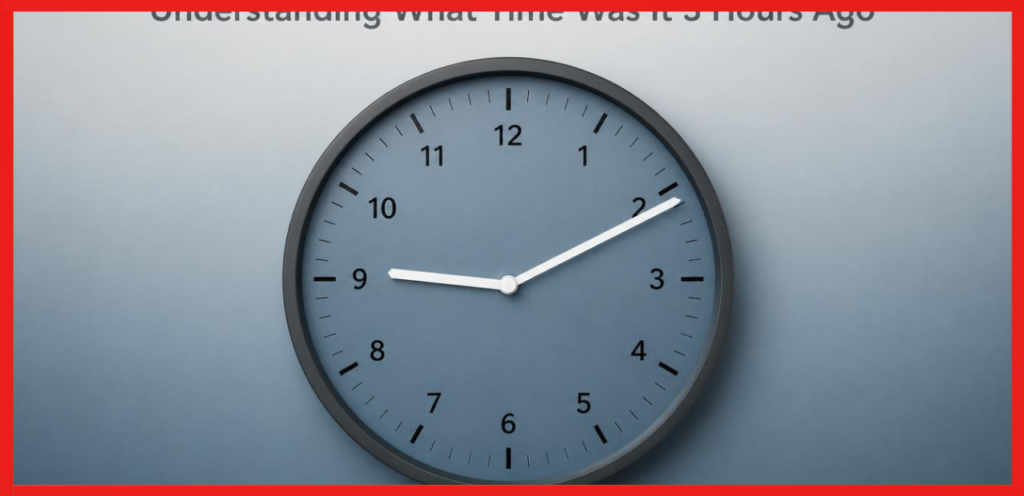
When someone asks What Time Was It 3 Hours Ago, they’re asking for a simple example of time subtraction. Instead of moving forward on the clock, you’re moving backward.Imagine your Current Time is Thursday July 9, 2026 11:12 PM in GMT-7.
Subtracting three hours gives:
- Current Time: 11:12 PM
- Minus 180 Minutes
- Equals 2:12 AM if referring to the same day’s earlier morning.
- Depending on context and date rollover, the calculation may involve the Previous Day or simply another part of the day.
Time looks neat on paper, yet real life throws little bananas into the math basket. Shift workers, travelers, nurses, parents of newborn babies, and gamers talking across countries all experience time differently, even though the arithmetic stays exactly the same.
Why People Search “What Time Was It 3 Hours Ago”
People rarely ask this question for no reason.
Sometimes they’re checking:
- A text message timestamp.
- A baby’s feeding schedule.
- A medication reminder.
- Flight departure history.
- Security camera recordings.
- Sports match events.
- Work logs.
- Sleep tracking apps.
- Social media activity.
- Cooking timers.
Every one of those situations depends on understanding the Time Difference between now and earlier.Oddly enough, remembering something that happened 3 hours earlier often feels easier than remembering something from yesterday. The brain is weird like that, and honestly its kinda charming.
Simple Manual Time Calculation
You don’t always need a Time Calculator.Manual calculation is surprisingly easy.
Start with your current hour.Subtract three.
Keep the minutes exactly the same unless you’re subtracting additional minutes.
Example:
Current Time:
11:12 PM
Subtract three hours:
8:12 PM
Another example:
Current Time:
6:45 AM
Subtract three hours:
3:45 AM
Another:
Current Time:
1:30 AM
Subtract three hours.
Now you cross midnight.
Result:
10:30 PM on the Previous Day.
This is where Date rollover becomes important.Many people forget that dates change before hours do, which creates little mistakes that spread into calendars and schedules.
Time Arithmetic Explained in Plain English
The phrase Time Arithmetic sounds more serious than it really is.
Think of a wall clock.
Instead of walking clockwise, you’re simply walking backward.
That’s all.
Time subtraction follows this pattern:
- Find the current hour.
- Move backward.
- Keep minutes unchanged.
- Adjust the day if midnight is crossed.
- Double-check the AM PM format.
That’s basically the whole magic trick.No rabbits. No hidden trap doors.Just clock math doing its quiet little dance.
Convert Three Hours Into sirfkeywordUnits
People often search for conversions because computers don’t always think in hours.
Three hours equals:
- 180 Minutes
- 10,800 Seconds
- 10,800,000 Milliseconds
Those conversions help developers, engineers, researchers, and software systems calculate durations precisely.
Quick reference:
- Hour conversion
- Minute conversion
- Second conversion
- Millisecond conversion
Understanding these values makes Time Conversion much easier when working with spreadsheets, programming, analytics, or digital systems.
What Happens Around Midnight?
Midnight confuses nearly everybody at least once.
Suppose it’s:
1:15 AM
Subtract three hours.
Result:
10:15 PM
Notice what happened?
You didn’t just change the hour.
You crossed into the Previous Day.
That’s why many scheduling apps include Time validation before confirming appointments or reminders.Crossing midnight changes both the clock and the calendar.Its one of those tiny details that quietly causes giant headaches if ignored.
Morning, Afternoon and Evening Examples
Here’s how different parts of the day work.
Morning
Current:
9:20 AM
Three hours ago:
6:20 AM
Still morning.
Afternoon
Current:
4:40 PM
Three hours earlier:
1:40 PM
Still afternoon.
Evening
Current:
9:50 PM
Subtract three hours.
Result:
6:50 PM
Still evening.
These examples show that Clock Time stays consistent while only the hour changes.
Using an Hours Ago Calculator
A modern Hours Ago Calculator automates everything.
Simply enter:
- Current hour
- Minutes
- Time zone
- Hours to subtract
The calculator instantly displays:
- Previous time
- Previous date if needed
- Time difference
- Updated timestamp
Many online tools also include an Hours From Now Calculator, making future planning just as easy.They’re especially useful when coordinating meetings across countries or calculating reminders.
Online Time Calculator vs Manual Calculation
Both methods have advantages.Manual calculation helps improve mental math.Online tools save time and reduce mistakes.
If you’re handling payroll, aviation schedules, hospital records, or international meetings, using an Online time calculator usually provides more reliable results.
For everyday life though, your own brain is honestly pretty capable once you understand the basic steps.
Time Zones Matter More Than You Think
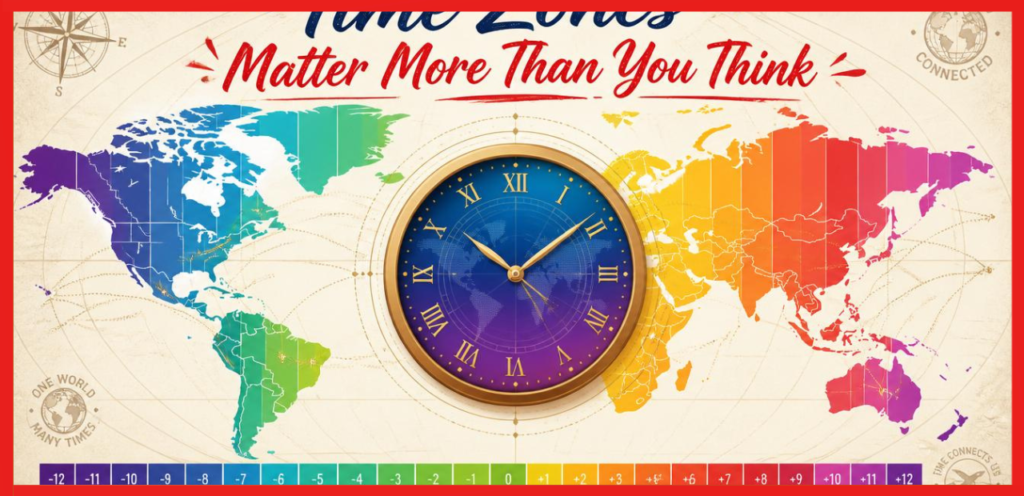
Imagine two friends.One lives in Arizona.Another lives in Tokyo.
Both ask:
“What time was it three hours ago?”
The answer depends entirely on the local Time reference and Time zone.Someone using GMT-7 gets a different answer than someone living elsewhere.
That’s why global businesses always include timezone labels during scheduling.Without them, meetings become accidental hide-and-seek games.
Digital Clock vs 12-Hour Clock
Most people use a 12-hour clock with AM PM indicators.
Others prefer the 24-hour system.
Example:
11:12 PM
becomes
23:12
Subtract three hours.
20:12
Both represent the exact same moment.
The display changes.
The math doesn’t.
That’s comforting somehow, isn’t it?
Real-Life Situations Where Three Hours Matters
Three hours appears everywhere.A parent checking feeding intervals.A baker timing dough.A student calculating study sessions.A nurse reviewing medication schedules.
A traveler checking departure timesA photographer waiting for sunset lighting.A podcast editor reviewing recordings.A security officer examining surveillance footage.
Even gamers tracking tournament schedules rely on Elapsed time calculations more often than they realize.Time quietly supports almost everything we do.
What Joe Sexton and Other Experts Emphasize
Time calculation resources created by educators such as Joe Sexton explain that accurate clock math depends on understanding units before memorizing shortcuts.
Researchers including Pateakia Heath, PhD often discuss how humans naturally perceive relative time differently from measured time.
Our memories stretch joyful moments while making routine hours disappear almost invisibly. That’s partly why accurate clock calculations remain valuable they provide an objective reference when our minds become wonderfully unreliable.
It’s funny really. Memory tells stories. Clocks tell measurements.Both matter.
Relative Time vs Exact Time
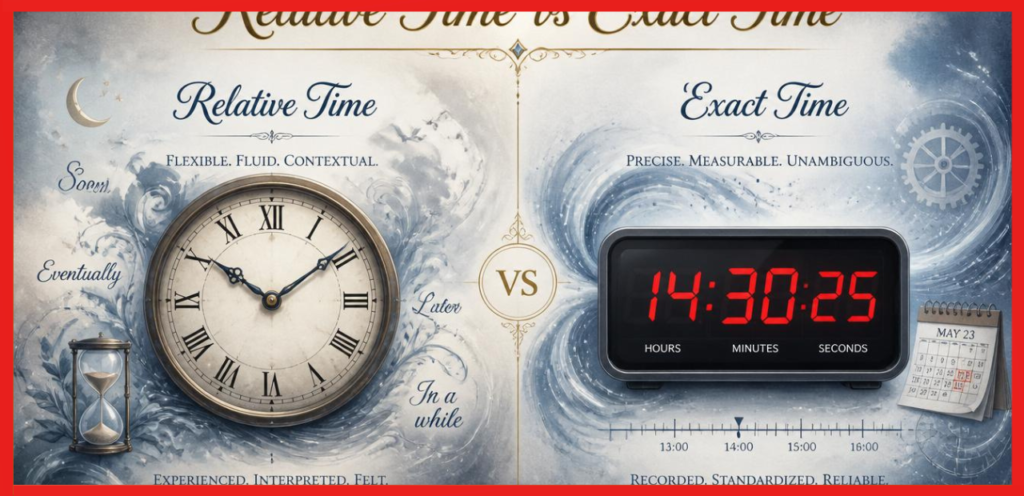
Relative time describes moments in relation to another point.
Examples include:
- yesterday
- tomorrow
- three hours ago
- next week
Exact time provides a precise timestamp.
For example:
Thursday July 9, 2026
11:12 PM
Understanding both helps when organizing calendars, emails, reports, or event schedules.
Common Mistakes People Make
Several errors happen repeatedly.
People often:
- Forget to switch AM and PM.
- Ignore midnight rollover.
- Miscalculate timezone differences.
- Mix up future and past calculations.
- Forget daylight saving adjustments where applicable.
- Count minutes incorrectly.
These mistakes seem tiny untill they suddenly make someone miss an important appointment.
How Computers Calculate Past Time
Modern systems don’t actually think in hours.
They count milliseconds.
For example:
Three hours
↓
180 minutes
↓
10,800 seconds
↓
10,800,000 milliseconds
Computers subtract those values from the Current timestamp.Afterward they convert everything back into readable Clock Time.
This approach makes software extremely accurate.Thankfully, humans don’t usually need to think in millions of milliseconds before breakfast.
Future Time Calculation Works the Same Way

The opposite process is called Time addition or Future time calculation.
Instead of subtracting three hours:
You add three.
Example:
Current:
2:00 PM
Three hours from now:
5:00 PM
That’s exactly how an Hours From Now Calculator works.
Simple idea.
Powerful results.
Practical Tips for Accurate Time Tracking
Keeping track of time becomes easier with a few habits.
- Use your phone’s digital clock for accuracy.
- Double-check AM and PM.
- Remember midnight changes the date.
- Confirm your timezone before scheduling internationally.
- Use an online calculator for important calculations.
- Keep timestamps when documenting events.
- Review calendar entries before sending invitations.
Little habits quietly prevent surprisingly big mistakes.
Creative Ways Time Connects With Family Memories
Parents often remember events using time instead of dates.
“My daughter laughed three hours after coming home.”
“Our baby finally slept after three hours.”
“Three hours earlier she wrapped her tiny fingers around mine.”
Those aren’t mathematical statements.
They’re emotional landmarks.
One grandmother once said, “The clock kept ticking, but my heart simply stayed where her first smile happened.”
That’s perhaps the sweetest reminder that while clocks measure passing moments, families measure meaningful ones.
How to Make Time-Based Messages More Personal

If you’re writing a message that mentions time, don’t stop at the numbers.
Instead of saying:
“We spoke three hours ago.”
Try saying:
“Only three hours have passed, yet somehow it already feels like the room became quieter without you.”
Instead of:
“The baby arrived three hours ago.”
Write:
“Three hours ago the world quietly became brighter because one tiny little girl decided today was her day.”
Those small touches transform ordinary time references into memorable expressions.
If you’re sharing this article, consider asking friends or readers about the moment they’ll never forget simply because they remember the exact time it happened. Those stories are often far richer than the numbers themselves.
Frequently Asked Question
what time was it 3 hours ago
To find what time was it 3 hours ago, simply subtract 3 hours from the current time. An online time calculator can give you the exact result instantly.
what time was 3 hours ago
What time was 3 hours ago depends on the current time in your location. Just move the clock back by 180 minutes or use a time calculator for accuracy.
3 hours ago from now
3 hours ago from now means the exact time that occurred three hours before the present moment. It’s useful for tracking events, logs, and schedules.
3 hours ago
3 hours ago is equal to 180 minutes, 10,800 seconds, or 10,800,000 milliseconds before the current time. Simply subtract three hours from the clock.
what was 3 hours ago from now
What was 3 hours ago from now refers to the previous clock time exactly three hours earlier than the current time. A time difference calculator makes this calculation quick and accurate.
Read this blog https://hynoval.com/graduation-cap-size/
Conclusion
Answering What Time Was It 3 Hours Ago is usually straightforward: subtract three hours from the Current Time, keep the minutes the same, adjust the Previous Day if midnight is crossed, and verify the AM PM format.
Whether you perform the calculation manually, use a Time Calculator, or rely on an Hours Ago Calculator, the principles remain the same.
Yet beyond the mathematics lies something a little more meaningful. Time calculations help us organize meetings, manage schedules, monitor health, review records, and coordinate with people around the globe.
More importantly, they also help preserve memories—the first smile of a newborn daughter, a late-night phone call, or the quiet instant when life changed without asking permission first.
The next time someone asks, “what time was it 3 hours ago,” you’ll know not only how to calculate it, but also why such a simple question sometimes carries far more than numbers.
And if you have a favorite memory connected to an exact moment in time, consider sharing it with others. You might discover that the most unforgettable hours aren’t always the longest ones they’re simply the ones that mattered most.